Chemical Watchlist
Be vigilant with the food you buy and products you put on your body. Always check the ingredients. If you don't know what an additive is, then Google it and add "side effects" at the end of your search. You'll get much different results.
1
Citric Acid (MCA)
This is an engineered chemical, not from citrus, and it's the most common food additive in the world. It's used as a key ingredient in most prepared foods as a preservative. You can find it in vitamins, juice, soda, energy drinks, marinara sauce, tortilla chips, snack bars etc. It has been known to cause stomach pain, shortness of breath, respiratory symptoms, joint pain, irritable bowel symptoms, and muscular pain, especially in people who are more susceptible or have pre-existing conditions.
This manufactured citric acid (MCA) is produced through a fermentation process with sugar and Black Mold Aspergillus Niger. MCA has the same molecular formula of natural citric acid that you would get from citrus fruits but impurities from the black mold may trigger harmful effects when ingested. It is not FDA approved and classified as GRAS (Generally Recognized as Safe). It was being produced long before the Food Additives Amendment in 1958 which excluded it from it's definition.
2
p-Phenylenediamine (PPDA)
A common chemical found in hair dye that can cause renal failure. According to the National Library of Medicine "Hair dyes are the main source of PPDA. Others include textile or fur pigments, cosmetics, tattoos, photographic developers, photocopying and printing inks, black rubber, oils and gasoline.
3
Chlormequat
You probably won't see this on a list of ingredients because it's a pesticide that is used on oat-based foods such as Cheerios and Quaker Oats. This harmful pesticide causes reproductive and developmental issues in animals. If you love oatmeal like I do, then stick with organic.
4
BHT
BHT (Butylated Hydroxytoluene) – This preservative keeps food fresh, but big doses have been linked to liver, kidney, and hormone problems.
You’ll find it in cereals, chips, gum, baked goods, processed meats, and some margarines.
5
Phthalates
Phthalates (say it like thal-ates) are sneaky little chemicals that make plastic bendy and help scents stick around longer. You’ll spot them in things like:
-
Plastic food containers and packaging
-
Perfumes, shampoos, lotions, nail polish
-
Air fresheners and even some cleaning supplies
Here’s the not-so-fun part: phthalates can mess with your hormones. They’ve been linked to fertility issues, hormone imbalances, asthma, and even higher risks of obesity and diabetes.
If you want to cut back, go for products labeled “phthalate-free,” pick fragrance-free when you can, and skip microwaving food in plastic. Your body will thank you.
6
Food Coloring
Artificial food coloring shows up in tons of products — from candy and cereal to soda, yogurt, and even pickles. These dyes are made from petroleum, and research has linked them to a wide range of health concerns.
Here’s what experts have found:
-
Hyperactivity & behavior issues: Especially in kids, certain dyes (like Red 40, Yellow 5, and Yellow 6) are linked to restlessness, irritability, and difficulty focusing.
-
Allergic reactions: Some dyes can trigger hives, asthma flare-ups, or other allergic responses — even in people who aren’t usually “allergic” to foods.
-
Cancer risk: Red 3 has been shown to cause thyroid tumors in animals, and there are concerns about other dyes like Yellow 6 and Blue 2 possibly being carcinogenic.
-
DNA damage & organ effects: Some studies suggest that certain dyes can damage DNA or affect the liver, kidneys, and gut lining in animals.
-
Gut microbiome disruption: Early research points to synthetic dyes possibly messing with gut bacteria, which could impact digestion and immunity.
-
Immune reactions & inflammation: Some dyes have been linked to increased inflammatory markers, which can contribute to chronic health issues over time.
The Worst Offenders:
Red 3 & Red 40 – cancer concerns + hyperactivity
Yellow 5 & Yellow 6 – allergies, asthma, hyperactivity
Blue 1 & Blue 2 – potential brain/immune system effects
Green 3 – possible cancer risk in animal studies
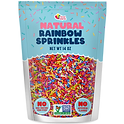
Safer choice: Look for foods colored naturally with beet juice, turmeric, spirulina, paprika, or carrot powder. Wholefoods makes colored sprinkles with similar ingredients and they still taste yummy that are erfect on cupcakes and with ice cream.
Amazon has several options for plant based colored sprinkles:
Color Kitchen Rainbow Sprinkles $9
Supernatural Unicorn Tracks Natural Confetti Sprinkles $9
Bulk Dye Free Rainbow Sprinkles - 14 Ounces $15
7
Potassium Bromate
Used in several bread products to enhance texture. Studies have linked potassium bromate to cancer in laboratory animals. Kelsey Kunik, RDN, a registered dietitian nutritionist and nutrition advisor tells Eating Well, "While it's unknown the exact amounts that [might] lead to cancer, lab studies show that potassium bromate converts to oxides and free radicals in the body, which can damage DNA and chromosomes, with the amount of damage directly affected by the amount of potassium bromate ingested." According to the National Library of Medicine, Potassium Bromate "is deemed as a potential human carcinogen by IARC and classified under class 2B. Due to this, countries across world have either partially or completely banned it." California has also passed a law, banning the chemical requiring companies to remove it from their ingredients by 2027.
Here's a list of foods Potassium Bromate might be used in: Bagels, Bread, Crackers, Doughnuts, English muffins, Pastries, Pizza crusts, Pizza dough, Pretzels, Rolls, Tortillas, Waffle cones.
This list will only get longer. Check back for more information!



Download an app that provide's information about an item's ingredients by scanning the barcode or selecting it from their database.
1. YUKA App - Food & Cosmetic Scanner. Available from Google Play and the Apple store
2. Bobby Approved App - Food Scanner. Available from Google Play and the Apple Store.
See: https://www.makeuseof.com/food-scanner-apps/